How to Choose Outdoor Furniture That Lasts in Central Florida
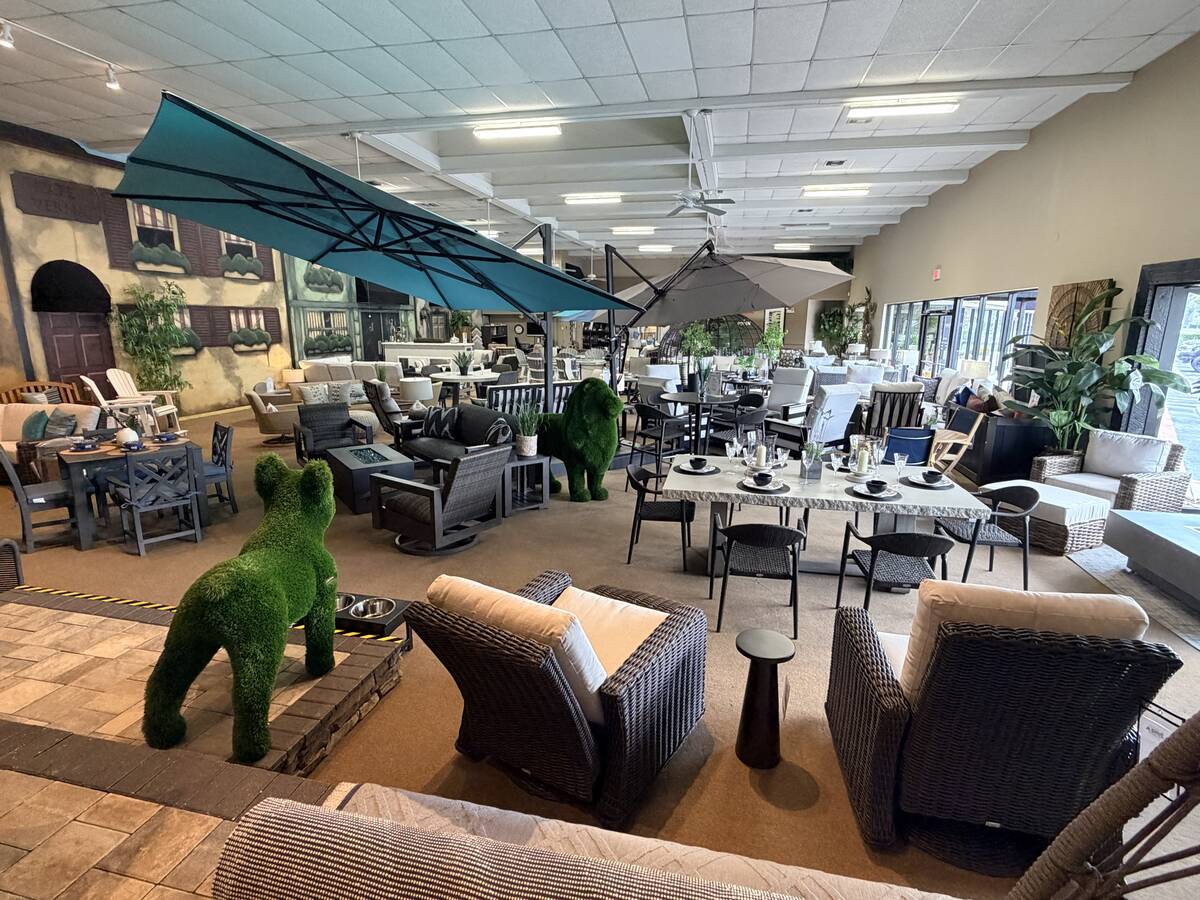
Central Florida is hard on outdoor furniture. The sun sits high most of the year, the summer storms roll through most afternoons, and the humidity never fully backs off. We have been selling patio furniture in Longwood since 1973, and in that time we have seen exactly what holds up and what comes apart. So here is the honest version of the answer we give at the showroom every week: what actually lasts out here, and what to look for before you buy.
Start with the frame
The frame decides how long a piece survives, so start there.
Aluminum is the workhorse for our climate. It does not rust, it stays light enough to move when a storm warning pops up, and a good powder-coated finish handles the sun without fading fast. Cast aluminum gives you weight and detail. Extruded aluminum keeps things lighter and cleaner-looking. Either way, corrosion is off the table, which matters this close to all that moisture.
Wrought iron and steel feel substantial, and they are. The catch is that any chip or deep scratch down to bare metal will start to rust here, faster if you are near the coast. If you love the look, plan on touch-up paint and cover it during the wet months.
Teak is the other choice that earns its keep. It is a dense hardwood with natural oils, so it weathers without a finish and slowly turns a soft silver-gray. Some people seal it to hold the warm color, some let it go gray. Both are fine.
What we steer people away from is natural rattan and untreated wood. They photograph beautifully and they will not survive two rainy seasons on an open lanai.
Fabric is where most of the regret happens
People obsess over the frame and then pick a cushion by color alone. Six months later the color is the problem.
The fabric that lasts here is solution-dyed acrylic, which is what Sunbrella and the better brands use. The color goes all the way through each fiber, like a carrot instead of a radish, so the sun has far less to bleach. Printed polyester is cheaper and it looks great in the store, but our UV eats it. You will see it fade and chalk within a season or two.
For woven pieces, "all-weather wicker" means a resin like HDPE wrapped over an aluminum frame. That is the good stuff. Real rattan belongs indoors.
Do not ignore the cushions themselves
In a humid climate the foam matters as much as the fabric over it. Look for quick-dry foam and cushions built to let water pass through and drain rather than hold it. Trapped moisture is what grows mildew and puts that musty smell into a cushion. One that dries out after an afternoon storm will outlast one that stays damp underneath, no matter how nice the cover looks.
Buy for where you actually sit
A fully exposed pool deck, a screened lanai, and a covered patio are three different environments. Furniture under a roof or a screen enclosure gets a break from direct sun and driving rain, so you have more freedom there. Out in the open, lean harder on aluminum or teak frames and solution-dyed fabric, and give yourself a plan for cushions during the worst of summer, whether that is a deck box or just carrying them in.
Come put your hands on it
You can read specs all day, but outdoor furniture is something you really have to sit in. The give of a sling, the depth of a cushion, whether a chair actually fits the way you sit, none of that comes through on a screen. Our floor carries deep-seating, dining, sling, and woven collections from more than forty brands, including Tropitone, Lloyd Flanders, O.W. Lee, Castelle, and Telescope Casual, with Sunbrella cushions across most of them. When you are ready, we deliver it and set it up for you.
Stop by the showroom at 2680 W State Rd 434 in Longwood. We are open Monday through Saturday from 10 to 6, and Sunday from noon to 5. Or call us at (407) 862-4600 and tell us what you are working with, sun, screen, or something in between, and we will point you at the pieces that will still look right in five years.